Commercial Waste Types and Recycling Solutions for Businesses
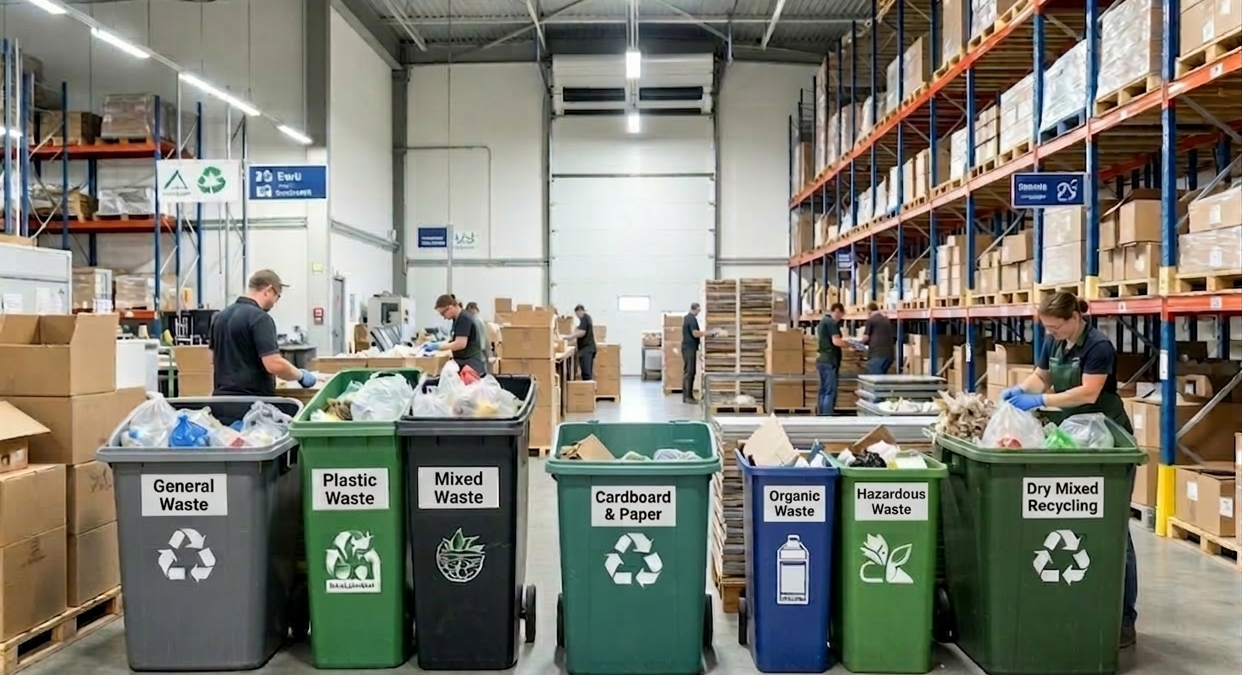
In Australia, managing commercial waste isn't just a "green" initiative anymore-it’s a financial necessity. With landfill levies skyrocketing and environmental laws getting tighter, businesses can’t afford to just throw everything in one bin and hope for the best.
To cut costs and stay compliant, you first need to understand exactly what’s leaving your premises and how commercial recycling can help reduce unnecessary landfill waste.
What Is Commercial Waste?
Simply put, if it’s made by a business, an office or factory rather than a residence, it’s commercial waste. Because businesses create many times the volume of household waste, they cannot rely on standard city collection services. This creates several challenges that require effective commercial waste management solutions to help companies manage large volumes of waste efficiently.
How to Handle the Major Waste Categories
1) General Waste (The "Gold Mine"):
This is that stuff which cannot be recycled or composted. It's also the default classification for most businesses, but also costs money as a result.
Problem: Every ton of general waste you send to the landfill costs you some
Solution: You can shrink this pile of trash by separating it more carefully before disposal, and save a large chunk on your present disposal fees while improving your commercial recycling efforts.
2) Dry Mixed Recycling (DMR)
The catch: In Australia, contamination is a huge issue. If somebody decides to throw a half finished coffee or a bag of food scraps into your recycling bin by mistake then the whole lot might get rejected by the EPA (NSW or Victoria). Therefore cleanliness of these bins is an essential part of aiming for high recycling levels and successful commercial recycling practices.
3) Plastic Waste: More Than Bottles Alone
Plastics comprise a large proportion of the commercial waste stream-especially for retailers and warehouses.
Rigid Plastics: Stiff containers as well as drums.
Soft Plastics: Soft plastics such as shrink wrap and pallet wrap are commonly generated by warehouses and retail businesses. Since these materials break down very slowly, soft plastic recycling is becoming an important focus for companies looking to improve sustainability and reduce landfill waste. Many businesses now rely on commercial recycling services that support soft plastic recycling to strengthen their environmental initiatives and reduce their overall waste footprint.
Cardboard and Paper: High-Value Resourcest
If you are running a warehouse or shop, you likely have piles of cardboard. When kept dry and clean, cardboard recycling can turn this waste into a valuable resource instead of sending it to landfill. Throwing cardboard into general waste is like throwing money away, as proper cardboard recycling allows materials to be baled and transformed into new packaging products.
Organic Waste: The Hidden Culprit
For the hospitality sector, food waste is a major headache. When food rots in landfills, it creates methane emissions that harm the environment. By investing in proper organic waste disposal through composting or energy-from-waste facilities, businesses can reduce landfill impact while improving sustainability. Effective organic waste disposal also helps remove heavy, smelly waste from general waste bins and creates a cleaner workplace.
Hazardous & Regulated Waste
This is high-stakes stuff: chemicals, old batteries, or medical waste require proper hazardous waste disposal to ensure safety and compliance. You can’t handle this yourself. Failing to follow state regulations could lead to massive fines and serious reputational damage. The safest solution is to rely on professionals for responsible hazardous waste disposal and management.
Why Your Business Should Care
Effective waste management isn't just about being "eco-friendly," it's about:
Saving Money: Lowering landfill tax payments.
Reputation: Clients today want to work with sustainable companies.
Compliance: Avoiding those heavy EPA fines.
Final Thoughts
Every workplace is different, so a “one-size-fits-all” container simply doesn’t work. At Willetts Waste, we provide reliable commercial waste services focused on plastic recovery, general waste management, and customised recycling solutions that deliver real results for Australian businesses. Our team helps you take control of your waste management, improve recycling efficiency, and stay compliant without excessive disposal costs. Whether you need support with commercial recycling, cardboard recovery, soft plastic recycling, or reliable general waste management services, we create tailored waste solutions designed around your operations. Contact our team today to discover a smarter and more sustainable way to manage your commercial waste.
Quick FAQs
-
It's a formal mechanism for collecting and handling business waste that turns all that garbage into renewable resources instead of simply burying it in a hole somewhere.
-
Because one dirty pizza box lodges in an entire bin of clean cardboard, rendering it unrecyclable.
-
Begin with an audit of your waste stream. Once you know what you're throwing away, you can construct better bins and train your staff how to use them.