7 Surprising Facts About Your Garbage Disposal You Should Know
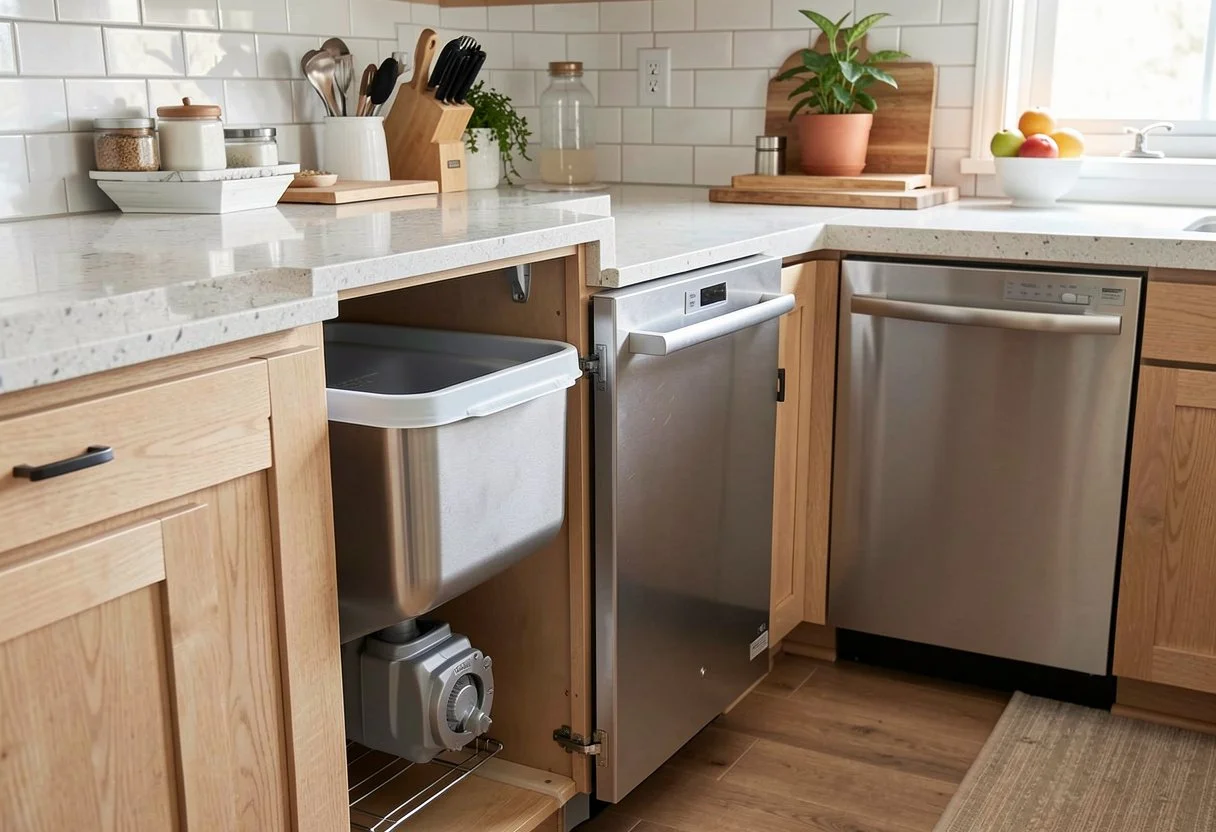
A garbage disposal is one of those kitchen appliances that we use daily without giving a thought, but when it goes out of order, we realize its significance. One of the most common indications that your disposal requires some attention is producing weird noises, draining slowly, or giving off bad smells. Typically, most of these issues are due not to the disposal but rather to incorrect usage.
By knowing how your garbage disposal works and maintaining it properly, you can avoid problems like clogs, bad smells, and expensive plumbing repairs. In this article, you will find tips for your garbage disposal, for cleaning your garbage disposal, and ultimately, for spaciously maintaining your garbage disposal unit.
7 Important Things Most People Don’t Know About Their Garbage Disposal
Garbage disposers are appliances that are made to facilitate the cleaning process in the kitchen; however, they still require proper usage. Let us now take a look at some essential facts that each and every homeowner should know.
1. A Garbage Disposal Is Not Designed for All Food Waste
The common misconception that garbage disposals are an all-food-waste-leftover solution is still very much prevalent. But that’s not true; there are certain food items that can cause the disposal to clog or even damage the disposal’s internal parts. Understanding proper food waste management practices can help businesses reduce maintenance issues, improve hygiene, and manage waste more efficiently.
Problems caused by food that should be kept away from the disposal:
Starches such as rice, pasta, and potatoes that expand with water
Stringy vegetables like celery, corn husks, and onion skins
Hard items, including bones and shellfish shells
Eggshell membranes, which can wrap around moving parts
Grease and cooking oil, which harden inside pipes
Coffee grounds, which collect and restrict water flow
Keeping the disposal for only very small food scraps will contribute to a cleaner kitchen and will not be a source of plumbing problems.
2. Chemical Drain Cleaners Can Be Harmful to Your Disposal
It’s sometimes hard not to resort to bleach or drain cleaner when your disposal is giving off a really bad smell or is draining sluggishly, but most of the time, these products are too powerful.
Reasons to Avoid Violent Cleaners
They corrode metal components
They weaken seals and pipes over time
They can shorten the lifespan of the unit
Natural cleaning methods are safer and more effective for regular garbage disposal maintenance.
3. Citrus Can Freshen Your Disposal - When Used Correctly
Citrus fruits are commonly used to freshen garbage disposals, but moderation is key.
How Citrus Helps
Releases natural oils that reduce odors
Breaks down light grease residue
Leaves a fresh scent
Best Way to Use Citrus
Cut into small pieces
Use occasionally, not daily
Always run cold water
This method supports cleaner and more pleasant kitchen waste disposal without harming the system.
4. Cold Water Is Essential for Everyday Use
Many people instinctively turn on hot water while running their garbage disposal, but cold water is usually the better choice.
Benefits of Cold Water
Keeps grease solid so it can be chopped
Prevents food waste from becoming sticky
Helps flush particles through pipes efficiently
Hot water should only be used when cleaning an empty disposal and never at boiling temperatures.
5. Slow Performance Is a Sign of Wear or Buildup
If your garbage disposal suddenly takes longer to grind food, it’s not something to ignore.
Possible Reasons
Dull grinding components
Food residue buildup
Motor or electrical issues
Early attention can prevent total failure. Regular inspections and cleanings are essential components of good garbage disposal maintenance.
6. Repeated Resetting Signals a Bigger Problem
Garbage disposers come equipped with a reset button, which is a good safety feature for the motor, but if the reset button is being used repeatedly, there is likely a problem.
Common Causes
Overloading the disposal
Wiring issues
An aging or failing motor
If resetting becomes a habit, professional evaluation is often the safest and most reliable solution.
7. Water Should Always Be Running When the Disposal Is On
Operating a garbage disposal without water is one of the quickest ways to cause damage.
Correct Usage Steps
Turn on the cold water first
Start the disposal
Add food gradually
Let the water run for 20–30 seconds after switching it off
These methods of waste disposal are indeed in accordance with the disposal practices proposed by Willetts Waste, which are believed to protect both the environment and plumbing systems.
Safe and Effective Ways to Clean Your Garbage Disposal at Home
It is not necessary to procure any special tools or chemicals for cleaning the garbage disposal. You can use common household items, which will be equally effective.
Method 1: Ice and Coarse Salt Cleaning
What You’ll Need
Ice cubes
Coarse or rock salt
Steps
Place ice cubes into the disposal
Add salt over the ice
Run cold water
Turn on the disposal until clear
This method helps remove buildup and keeps the grinding parts clean.
Method 2: Baking Soda and Vinegar Treatment
What You’ll Need
Baking soda
White vinegar
Steps
Pour baking soda into the disposal
Add vinegar and allow it to fizz
Let's sit for 10 minutes
Rinse with hot (not boiling) water
This method works well and is also an eco-friendly way for you to you can clean your garbage disposal and at the same time get rid of bad smells.
Garbage Disposal FAQs
-
You should avoid putting hard items like bones, fruit pits, grease, oil, coffee grounds, fibrous vegetables, and non-food items into a garbage disposal as they can cause clogs or damage the system.
-
A garbage disposal doesn’t use sharp blades. Instead, it uses blunt impellers that grind food waste into small particles so it can pass through plumbing safely.
-
It is better to use cold water while running a garbage disposal. Hot water can melt grease and oils, which later solidify in pipes and cause blockages.
-
Bad smells usually come from trapped food particles and grease buildup inside the unit. Regular cleaning with natural methods like ice, baking soda, or citrus can help remove odors.
-
A garbage disposal should be cleaned at least once a week or whenever you notice odours or slow draining to prevent buildup and maintain performance.
-
Clogs are usually caused by overloading the unit, disposing of unsuitable items like grease or fibrous foods, or not running enough water during use.
-
Yes, when used correctly. They help reduce food waste in landfills and can support better waste management practices, but improper use can lead to plumbing and environmental issues.
-
The most common mistake is treating it like a trash bin instead of a food waste disposer, leading to overloading and damage.
-
A well-maintained garbage disposal typically lasts 8–15 years depending on usage and maintenance practices.
-
Run cold water during use, avoid putting in harmful materials, clean it regularly with natural cleaners, and avoid overloading it.
Keep Your Garbage Disposal Running Smoothly
Your garbage disposal will work at its best if it gets proper use and regular maintenance. The right food disposal, using cold water, and cleaning safely are all important factors that will enormously extend the life of your disposal unit.
It will be almost impossible for you to face problems like clogs, smells, or repairs if you consistently follow these basic garbage disposal tips and make use of other clever kitchen practices. Contact Willetts Waste today to get a free quote and discover reliable waste management solutions for your home or business.