How Can You Manage Construction and Demolition Waste Effectively?
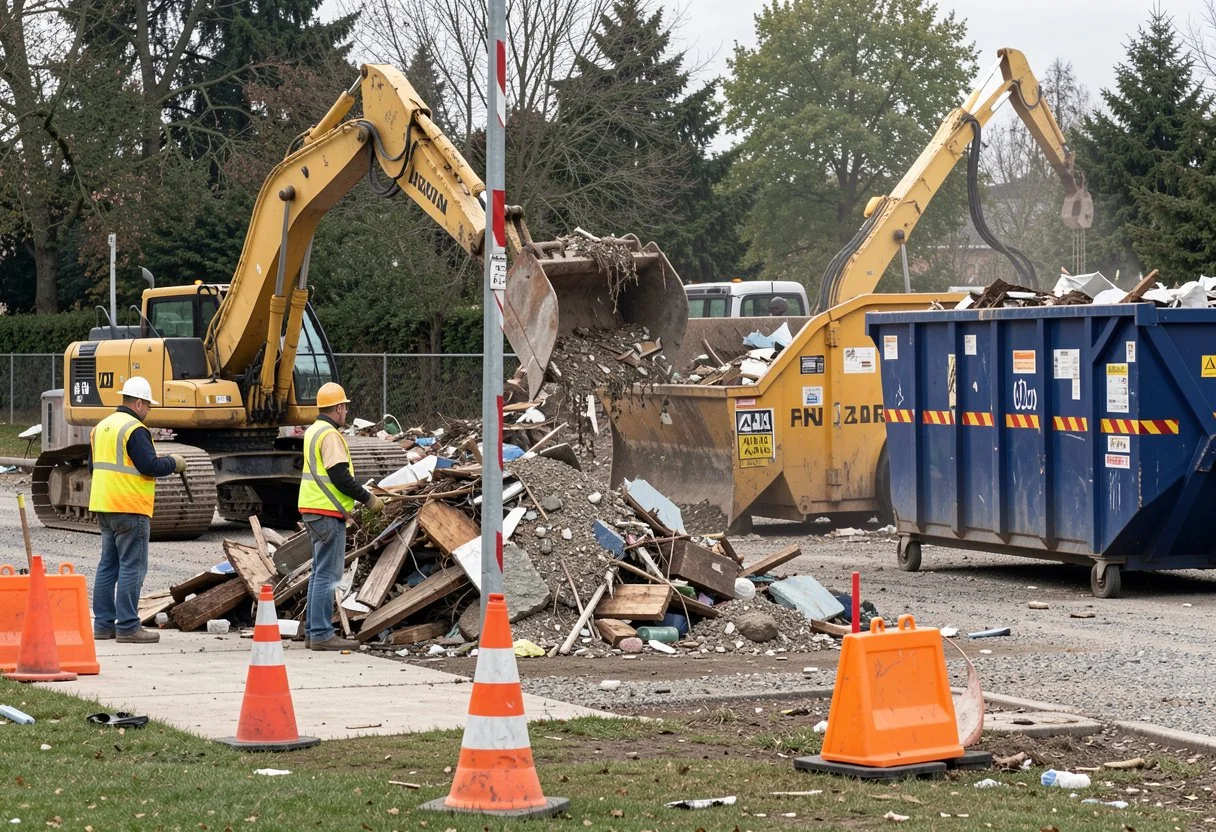
The end of construction and renovation work doesn’t mean that waste is no longer a problem. The handling of the remaining materials is one of the major tasks that come after the building or tearing down process. If the waste is not managed correctly, it can turn an efficient site into a dangerous area and cause concern for the environment.
Each year, the building industry generates huge quantities of waste, and if not managed properly, a considerable portion of it goes to landfills which are not needed. Good management of construction and demolition waste reduces the impact on the environment, keeps the projects in line with the regulations, and many times, it is a source of cost savings in the long run.
This blog post clarifies the definition of construction and demolition waste, highlights the importance of effective construction waste management, and discusses different ways to handle waste more efficiently while using fewer resources and improving sustainability.
Understanding Construction and Demolition Waste
Construction and demolition waste refers to all the materials produced during the activities of building, renovating, and tearing down a structure. The scope includes all types of projects, from small residential renovations to large-scale commercial developments. Effective construction demolition waste management is essential to reduce environmental impact, improve resource recovery, and ensure sustainable project execution.
Improper or mixed-up construction and demolition waste can lead to pollution, which may even trigger legal disputes between contractors or property owners. That’s why proper construction and demolition waste management and general waste management should be implemented at every stage of a project to minimise environmental risks, maintain compliance, and ensure safe and responsible waste disposal practices.
The most frequent types of construction waste
Construction activities generate waste in the form of offcuts, destroyed materials, and extra supplies.
Typical construction waste includes:
Concrete and rubble
Timber and wood offcuts
Metals such as steel and aluminium
Plasterboard and insulation
Bricks, tiles, and masonry
Plastics and packaging
Soil and excavation material
The proper management of this waste keeps the locations neat and orderly and prevents disposal that is not needed.
What Makes Demolition Waste Different?
Demolition waste is the result of tearing down or taking apart buildings. In contrast to usual construction waste, demolition materials might be of a dangerous nature and may contain substances like asbestos or lead-based items, for example.
Such materials will need a very careful process of identifying, separating, and disposing to ensure the safety of the workers, the nearby communities, and the environment.
Why Proper Waste Management Is Essential
Safer Worksites
Ineffective waste management practices create a higher chance of accidents happening. If not managed properly, loose rubbish, sharp materials, and dangerous chemicals can be major causes of accidents. Waste management procedures that are well-defined contribute to the establishment of a working atmosphere that is safer for the employees.
Reduced Environmental Impact
The wrong way of waste disposal creates pollution and necessitates the use of landfills to an extent that is considered to be excessive. If not properly treated, hazardous wastes can pollute the soil and water. Recycling of building wastes in an environmentally friendly manner helps to minimize the impact of such activities on the surrounding environment and, at the same time, encourages sustainability.
Better Use of Resources
It is possible to reuse or recycle many of the construction materials instead of throwing them away. The process of recovering metals, concrete, and timber not only minimizes the need for new natural resources but also energy consumption in manufacturing.
Compliance With Regulations
The disposal of waste from the construction process is monitored and violates the consequences of fines or delays in implementing the project. The collaboration with the waste management companies ensures that different kinds of waste are disposed of in compliance with the law.
Cost Control
The effective way to get rid of construction waste, besides saving money on the disposal cost, also leads to unnecessary costs on new materials being replaced. Most of the time, recycling and reuse have been proven to be even less costly than landfill dumping.
How to Manage Construction and Demolition Waste Practically
Control Waste On-Site Using Skip Bins
Skip bins are one of the most efficient and practical tools to manage waste from construction effectively in the construction industry.
By collaborating with a reliable supplier such as Willetts Waste, construction sites can have exclusive skips for each type of waste. This ensures proper sorting of materials, increasing recycling rates, keeping the site clean, and ensuring compliance with regulations—making waste management in construction more efficient and sustainable.
Plan Waste Management Early
A project’s waste should be considered beforehand and not at the end of the project.
Planning future waste management helps in reducing waste volumes, recyclable materials, and disposal management. Thus, all is done beforehand, and the project runs without a hitch.
Separate Waste Materials
Recycling is not possible at all when all waste is disposed of as one. On-site segregation of such materials, e.g., wood, metal, concrete, and rest, simplifies and makes recycling more efficient.
Reuse Materials Where Possible
Bricks, timber, fixtures, and fittings are often reusable either on-site or through salvaging for other projects. Reuse contributes to the reduction in waste volumes and incurs lower material costs at the same time.
Handle Hazardous Waste Professionally
In the instances of asbestos, chemicals, or lead-containing substances, the licensed professionals should do the removal and disposal, thereby safeguarding everyone involved and ensuring that the firm adheres to the safety codes.
Final Thoughts
It is necessary to take care, organize, and support properly to manage waste in construction and demolition projects. The companies that separate materials, give priority to recycling, and collaborate with skilled providers will significantly cut down on waste and the negative impact on the environment.
Willetts Waste’s professional solutions will keep construction projects compliant, cost-effective, and environmentally friendly from the beginning to the end.
Get in touch with Willetts Waste today to discuss tailored construction waste management solutions for your project.
Frequently Asked Questions (FAQs)
-
Construction and demolition waste includes materials generated during building, renovation, excavation, and demolition projects. Common waste materials include concrete, timber, metals, bricks, plastics, plasterboard, and soil.
-
Proper construction waste management helps reduce landfill waste, improves workplace safety, lowers disposal costs, supports environmental sustainability, and ensures compliance with waste disposal regulations.
-
Many construction materials can be recycled, including concrete, timber, cardboard, metals, bricks, plastics, and packaging materials. Proper waste separation improves recycling efficiency.
-
Skip bins provide an organised and efficient way to collect, separate, and dispose of construction and demolition waste. They help maintain cleaner worksites and improve recycling rates.
-
Construction waste is generated during building and renovation activities, while demolition waste comes from tearing down structures. Demolition waste may also contain hazardous materials that require specialised handling.
-
Recycling construction waste reduces landfill usage, conserves natural resources, lowers pollution, and decreases the environmental impact of construction and demolition projects.
-
Common challenges include poor waste separation, excessive material waste, hazardous material handling, limited recycling practices, and rising disposal costs.
-
Yes, reducing waste through recycling, reuse, and efficient material management can significantly lower disposal expenses and reduce the need for purchasing new materials.
-
Hazardous materials such as asbestos, chemicals, and lead-based products should only be removed and disposed of by licensed professionals following safety and environmental regulations.
-
Professional waste management providers help construction companies maintain compliance, improve recycling practices, reduce environmental impact, and manage waste more efficiently throughout the project lifecycle.