Smart Ways Businesses Can Reduce Waste Every Single Day Efficiently
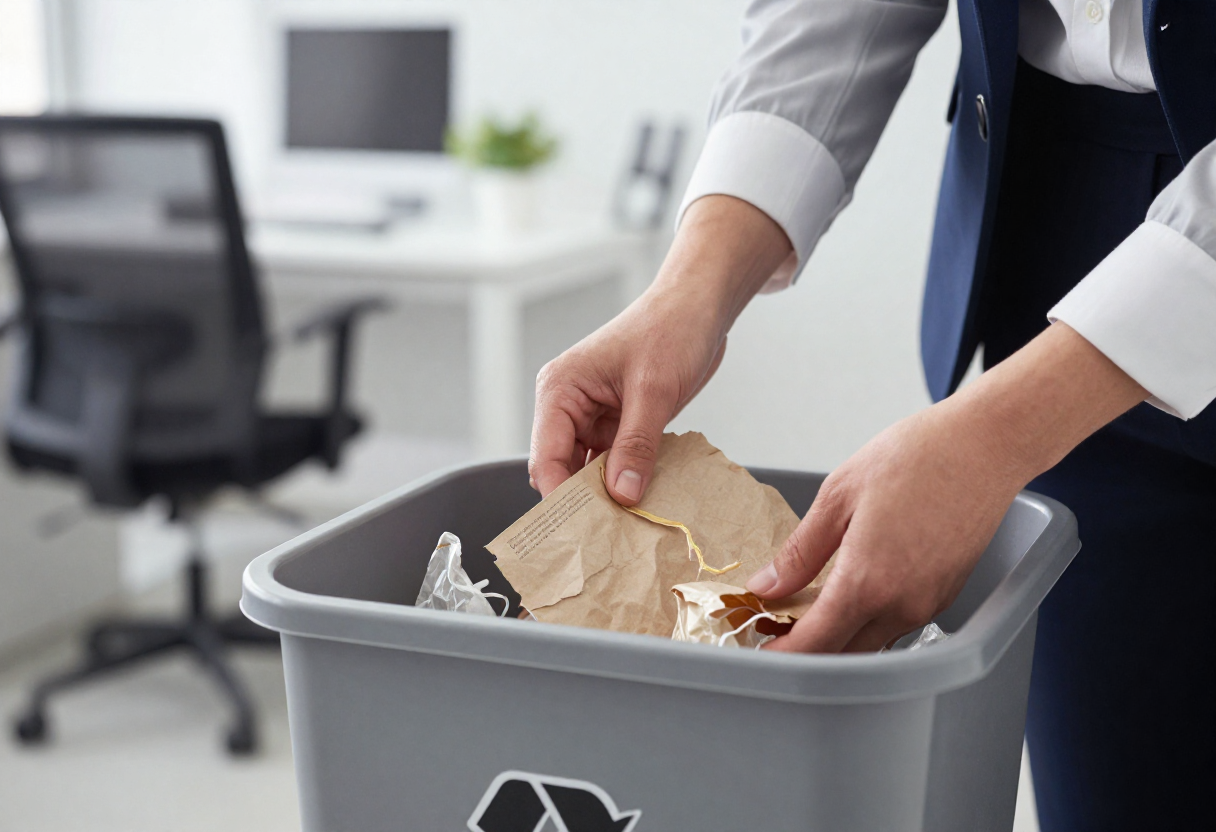
Waste is a necessary evil that most businesses unknowingly produce. It includes, among others, the overflowing bins and an excessive amount of packaging, energy that is not put to good use, supplies in the office that have not been used, and daily habits that are not of the best kind are gradually and slowly accumulating, an issue often highlighted by Willetts Waste. The environmental impact of this waste disposal is one of the negative consequences, but it also steals money, time, and resources silently.
The silver lining in this scenario is that waste reduction does not necessitate radical changes or the installation of costly systems. On the contrary, a lot of the best solutions are straightforward, feasible, and quick to implement. When businesses learn how to cut down on waste during their daily operations, the benefits can be noticed in no time at all.
In this blog, you will find practical, day-to-day waste reduction techniques that businesses, irrespective of their size, can adopt at once.
The Importance of Waste Reduction in Business
Waste reduction is not only an act of environmental responsibility, but it is also a smart business move.
The reduction of waste commonly translates into lower disposal costs, reduced purchasing costs, more efficient procedures, and a better brand image, making general waste management a key business priority. Nowadays, many customers expect businesses to behave responsibly, and companies that visibly reduce waste through effective general waste management are better positioned to gain trust.
Conduct a Waste Audit First
The very first thing to do before any changes appear on the scene is to identify what kind of waste is being produced.
A waste audit can just as simply mean watching the daily routine for several days. Discovering the item that is thrown away the most, identifying the areas that generate the most waste, and analyzing what could have been avoided or reused are steps that lead to the easy planning of proper waste reduction measures.
Reduce Paper Use Wherever Possible
Paper waste is still a common problem in most offices.
Paperless office, brief and cloud, and, to a certain extent, online communication can greatly cut down the paper usage. Where printing is necessary, double-sided printing and reusing single-sided printed paper for taking notes can make a considerable difference.
Rethink Packaging and Supplies
Packaging is a primary contributor to business waste to a large extent.
Bulk buying, choosing suppliers with minimal packaging, and replacing single-use packing materials with reusable alternatives can significantly reduce waste and improve food waste disposal practices. Eliminating non-recyclable plastic also helps businesses lower their long-term disposal costs while promoting more sustainable operations.
Encourage Reuse Before Recycling
Recycling is a necessary step, but, at the same time, it should never be given priority over reuse.
That’s why furniture, office equipment, storage containers, and even electronics can often be reused, repaired, or donated instead of simply discarded. Pairing reuse practices with effective Commingled Recycling solutions also helps businesses reduce unnecessary waste while maintaining lower stock levels and cutting down on avoidable purchases.
Make Waste Sorting Simple for Employees
If each waste bin has distinct labels and the bins are located in easy-to-reach spots, then employees can sort their waste without any hassle.
The use of uncomplicated signage displaying the pictures of the materials eligible for sorting in every bin will not only accelerate the decision-making process for the workers, but also ensure that the recycling streams remain uncontaminated.
Reduce Food Waste
The disposal of food is a common practice in staff kitchens, office areas, and places where people stay temporarily.
Properly planned, stored, and managed food consumption among the staff can significantly reduce the amount of food waste, making food waste management more effective. Ideally, composting of food scraps generated is another efficient alternative.
Switch to Reusable Alternatives
The items that are used just once are the main contributors to the waste that is created every day.
The use of bottles, cups, cutlery, cleaning cloths, and batteries that can be recharged is a replacement that can be easily made and quickly integrated into daily routines, and hence, waste generation will be greatly reduced.
Reduce Energy Waste
Overlooked quite often, the waste of energy is nevertheless very considerable.
Turning off machines that are not being used, putting in place energy-saving lighting, using motion sensors, and having regular maintenance done on heating and cooling systems can be the main contributors to cutting down energy waste and, also, the reduction of utility costs at the same time.
Involve Employees in Waste Reduction
The process of waste reduction is most effective when everyone takes part in it.
Through training of employees, sharing of simple waste-reduction guidelines, and encouraging suggestions, the company can create a workplace culture where waste reduction is considered to be second nature.
Work With Responsible Suppliers
By picking suppliers that use recyclable packaging, offer refilling options, or practice sustainability, you silently support the waste reduction appetite that is bigger than your own business.
Track Progress Over Time
Waste reduction is an ongoing process.
For a business, it is important to regularly review its general waste management practices and update waste reduction strategies. This not only drives continuous improvement but also helps identify new opportunities to reduce waste, improve recycling efficiency, and lower overall disposal costs.
Frequently Asked Questions (FAQs)
-
Businesses can reduce waste by switching to digital documents, improving recycling practices, reducing packaging waste, reusing office materials, and implementing proper waste sorting systems. Even small daily changes can significantly lower disposal costs and improve sustainability.
-
Commingled recycling allows businesses to place recyclable materials like cardboard, paper, plastics, and cans into one recycling bin. This simplifies recycling for employees, increases recycling participation, and helps reduce landfill waste.
-
Waste reduction helps businesses lower waste disposal expenses, improve operational efficiency, reduce environmental impact, and strengthen their brand reputation. Many customers also prefer businesses that actively support sustainability practices
-
Businesses can reduce paper waste by using cloud-based systems, encouraging digital communication, printing double-sided documents, and recycling paper and cardboard materials properly.
-
Businesses can recycle cardboard, paper, plastics, aluminium cans, commingled recyclables, soft plastics, and organic waste depending on their waste management setup and recycling provider.
-
Proper waste sorting reduces contamination in recycling bins and improves the recovery of recyclable materials. Clearly labelled bins and employee education make recycling systems more effective and efficient.
-
Businesses can reduce food waste through better meal planning, portion control, food storage management, and organic waste recycling solutions like composting.
-
Commercial recycling services help businesses improve waste management, reduce landfill dependency, stay compliant with environmental regulations, and support long-term sustainability goals.
-
Businesses should regularly review their waste management processes to identify new waste reduction opportunities, improve recycling efficiency, and adapt to changing operational needs.
-
Industries such as hospitality, retail, offices, warehouses, healthcare, and construction benefit significantly from waste reduction strategies through lower operating costs and improved recycling outcomes.
Making Waste Reduction a Daily Habit
Minimizing waste does not need a lot of changes, and it doesn't have to be costly at all. Good waste reduction understanding, along with applying daily practical waste reduction ideas, makes it possible for businesses to be more efficient, to save money, and to cause less harm to the environment at the same time, with support from Willetts Waste.
Small and steady actions such as reducing the usage of paper, changing the way products are packed, and involving staff in the process can bring about enormous and everlasting benefits to both business and nature.
Reduce waste, lower costs, and create a more sustainable workplace with Willetts Waste. Contact our team today for reliable commercial waste and recycling solutions tailored to your business needs.