Waste Management Trends Shaping 2026
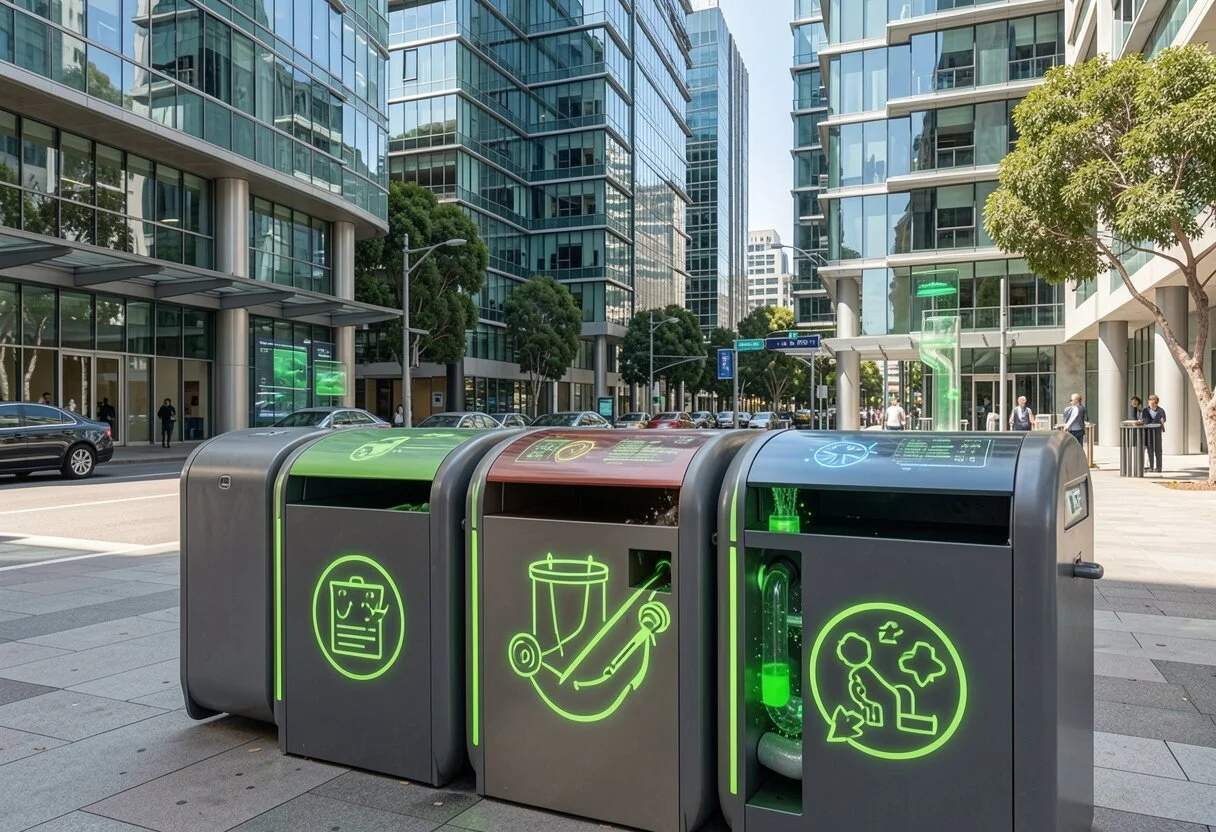
Waste Management Trends Shaping 2026: What Australian Businesses Need to Know
The top waste management trends in 2026 centre on sustainability, smart technology, circular economy principles, and stricter compliance. Australian businesses are under growing pressure to reduce landfill waste, improve recycling rates, and adopt cleaner, more cost-effective waste solutions. Here's what's driving change — and how your business can stay ahead.
What Are the Key Waste Management Trends in 2026?
Waste management in Australia is evolving fast. Rising environmental regulations, shifting consumer expectations, and new technologies are reshaping how businesses handle waste every day.
Whether you run a retail shop, a construction company, or a commercial property, understanding these trends is no longer optional — it's good business.
1. The Circular Economy Is Now Standard Practice
The circular economy model focuses on reducing waste at the source rather than just managing it at the end.
In 2026, more Australian businesses are designing products, packaging, and supply chains with reuse and recycling built in from the start.
Less material goes to landfill
Resources are recovered and reused
Businesses reduce long-term waste costs
This shift is one of the biggest changes in the future of waste management — and it's already happening across retail, construction, and food service sectors.
2. Smart Waste Technology Is Changing the Game
Sensor-based bins, AI-powered sorting systems, and real-time waste monitoring are becoming more common across commercial sites in Australia.
Smart waste technology helps businesses:
Track waste volumes in real time
Reduce unnecessary bin collections
Identify opportunities to cut costs and improve recycling rates
These tools are part of a broader push toward data-driven, best solutions for waste management at scale.
3. Organic Waste Diversion Is a Growing Priority
Food waste is one of Australia's biggest landfill contributors. In 2026, new state-based regulations are pushing commercial operators — particularly in hospitality, healthcare, and food retail — to separate and divert organic waste.
Composting, anaerobic digestion, and food-to-energy programmes are all on the rise. For businesses, this means better compliance and lower gate fees.
4. Stricter Compliance and Extended Producer Responsibility
Governments across Australia are tightening waste regulations. Extended Producer Responsibility (EPR) laws now require manufacturers and importers to take greater accountability for how their products are disposed of.
What does this mean for businesses?
More documentation and reporting requirements
Pressure to choose certified, compliant waste providers
Potential fines for non-compliance
Working with a reliable provider like Willetts Waste — based in Sutherland, NSW — ensures your business stays on the right side of local and national waste regulations.
5. Recycling Innovations Are Expanding What Can Be Recycled
New recycling technologies are processing materials that were previously considered non-recyclable — soft plastics, e-waste, mixed construction debris, and more.
For Australian businesses, this opens up more options for diverting waste from landfill without overhauling operations. The key is partnering with a waste provider that keeps up with these innovations.
6. Waste Reduction Strategies Are Becoming Boardroom Conversations
Sustainability is no longer just a marketing angle. In 2026, ESG (Environmental, Social, Governance) reporting is influencing how investors, clients, and regulators view Australian businesses.
Waste reduction strategies are now tied directly to:
Corporate sustainability goals
Tender and procurement requirements
Brand reputation and customer trust
Businesses that can demonstrate responsible waste management have a genuine competitive advantage.
7. On-Demand and Flexible Waste Services Are Rising
The one-size-fits-all approach to commercial waste management is fading. Businesses now expect flexible bin sizes, on-call collections, and customised schedules that match their actual waste output.
This trend toward tailored service is particularly valuable for small-to-medium businesses managing variable waste volumes across the year.
8. Sustainable Waste Solutions Are Driving Cost Savings
There's a common misconception that sustainable waste management costs more. In 2026, the opposite is increasingly true.
Businesses that audit their waste streams, reduce contamination, and divert recyclables consistently see lower overall waste costs. Sustainable waste solutions are smart financial decisions — not just ethical ones.
Why Is Sustainable Waste Management Important for Businesses in Australia?
Australia generates millions of tonnes of commercial and industrial waste every year. Landfill space is limited, levies are increasing, and communities expect businesses to do better.
For businesses in NSW and across Australia, sustainable waste management:
Reduces landfill levy costs
Improves compliance with state regulations
Supports ESG and sustainability reporting
Builds trust with customers and partners
It also prepares your business for the next wave of waste legislation, which is already on the way.
What Does the Future of Waste Management Look Like for Australian Businesses?
The future of waste management in Australia is smarter, cleaner, and more accountable. Expect to see:
Greater use of AI and automation in waste sorting
Broader EPR schemes across more product categories
Stronger incentives for businesses that hit recycling targets
More focus on construction and demolition waste reduction
Businesses that adapt early will face fewer compliance headaches and lower costs in the long run.
Practical Waste Management Solutions for Your Business
Not sure where to start? Here are some simple steps for Australian businesses looking to improve their waste management in 2026:
Conduct a waste audit — Understand what you're throwing away and where it's going
Separate waste streams — General waste, recyclables, and organics should be kept separate
Choose a certified provider — Work with a licensed, local operator who understands NSW regulations
Set measurable targets — Track your landfill diversion rate and report on progress
Educate your team — Staff behaviour is one of the biggest factors in waste outcomes
Willetts Waste provides practical, flexible commercial waste management services across Australia, helping businesses in Sutherland and beyond manage their waste the right way.
Local Relevance: Waste Management in NSW and Across Australia
NSW businesses operate under some of Australia's most comprehensive waste regulations, including the NSW Waste and Sustainable Materials Strategy 2041. This strategy sets ambitious targets for reducing waste to landfill and increasing resource recovery.
For businesses in the Sutherland Shire and greater Sydney region, staying ahead of these requirements means working with a local provider who understands the landscape.
Willetts Waste, based in Sutherland, NSW 2232, serves commercial clients across Australia with reliable, regulation-compliant waste collection and recycling services tailored to business needs.
Conclusion
Waste management trends in 2026 point clearly in one direction — smarter, more sustainable, and more accountable. Australian businesses that take waste seriously today will be better positioned for compliance, cost savings, and a stronger sustainability story tomorrow.
Whether you're reviewing your current setup or starting from scratch, there's never been a better time to take a fresh look at how your business manages waste.
Frequently Asked Questions
-
The top waste management trends in 2026 include circular economy adoption, smart waste technology, organic waste diversion, recycling innovations, and stricter compliance requirements. Australian businesses are also focusing on waste reduction strategies tied to ESG reporting.
-
The circular economy is an approach where waste is minimised by designing products and processes for reuse, repair, and recycling. Instead of a linear "make, use, dispose" model, resources are kept in circulation for as long as possible.
-
Australian businesses can reduce waste by conducting waste audits, separating waste streams, setting landfill diversion targets, and partnering with a certified local waste provider. Small operational changes often deliver the biggest results.
-
Sustainable waste management helps businesses lower landfill levy costs, meet compliance requirements, and strengthen their ESG credentials. It also improves brand reputation and prepares businesses for upcoming regulatory changes in Australia.
-
The best solutions for waste management include tailored bin services, regular waste audits, recycling programmes, organic waste diversion, and working with a licensed commercial waste provider who understands local regulations.