Complete Soft Plastic Recycling Guide for Growing Businesses Worldwide
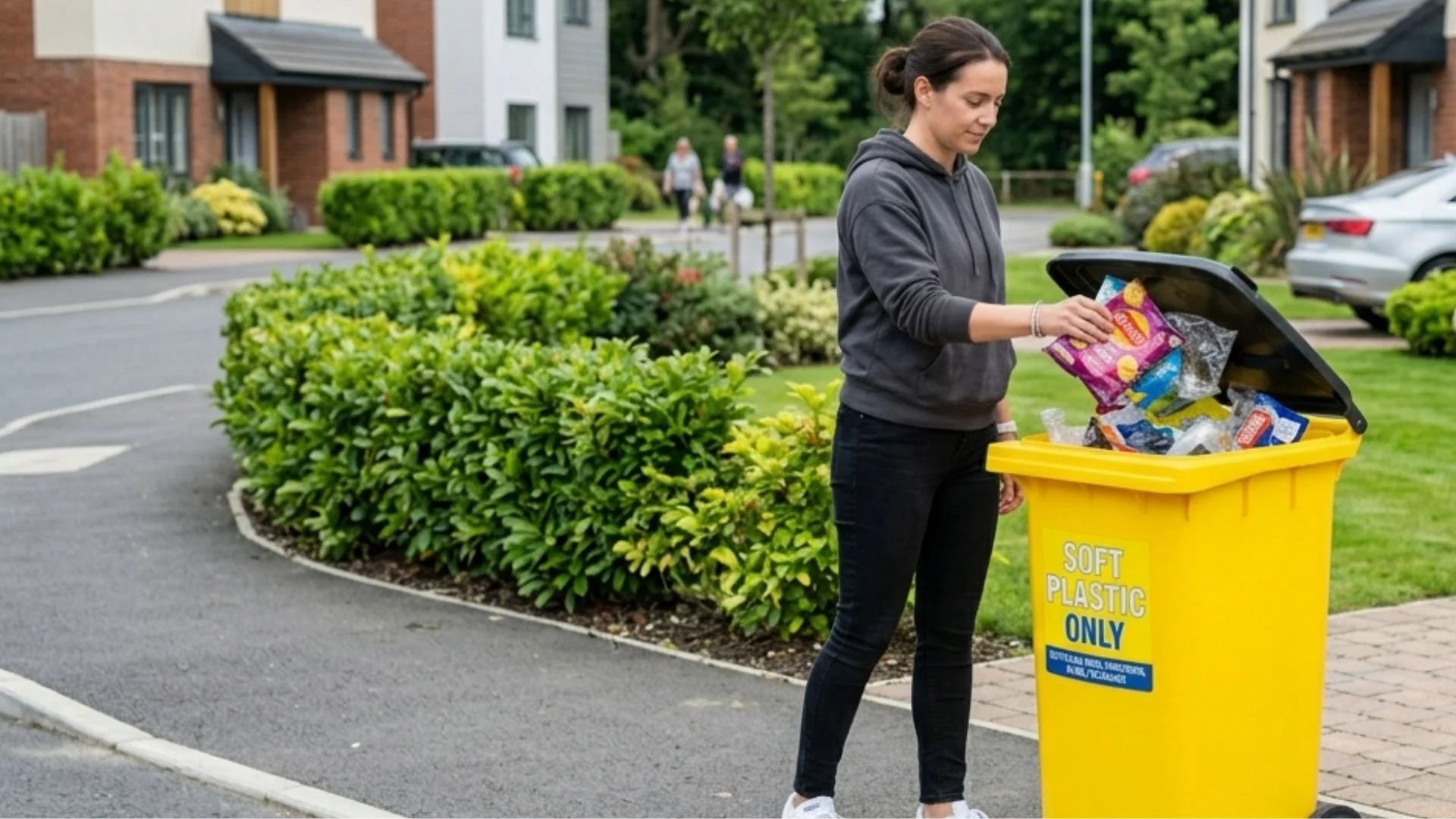
Soft plastics are a staple of modern commerce. From the pallet wrap protecting your inventory to the bags used for customer purchases, these materials are everywhere. Yet, despite their ubiquity, many businesses still struggle to manage them sustainably through effective soft plastic recycling practices.
Understanding how to process soft plastics isn’t just an environmental box to tick—it’s a strategic move that can streamline your operations and bolster your boplastic recyclingttom line.
What Exactly is Soft Plastic?
IIn short: if you can twist it into a ball, then it is probably "soft" plastic. These materials are lightweight, flexible, and full of possibilities.
Examples of everyday soft plastic products include:
Logistics materials: Stretchy film, pallet wrap and bubble wrap.
Packaging: Bread bags, cling film and flexible food wrappers.
Retail items: Plastic carry bags and courier packaging.
Given that they are thin and stretchy, the recycling behaviour of these materials is rather than "rigid" plastics such plastics (bottles or crates), meaning they should not normally be discarded in a general recycling bin unless explicitly stated otherwise by your provider.
Can You Actually Recycle Plastic Bags?
A common myth is that plastic bags cannot be "recycled". In reality they are extremely recyclable – just not in your average kerbside recycling bin or a standard soft plastic recycling bin.
Submitted to special soft plastic places, a typical plastic bag is cleaned, melted and transformed into tough new products such as outdoor furniture, bollards, construction products, or even new industrial packaging. The key is sourcing separation, which is an important part of plastic bag recycling.
Why Recycling is So Important To Your Business
Setting up a sound recycling programme is no longer an optional extra but a fundamental part of modern business tactics.
Reducing Vast Amounts of Waste: Plastics can last for centuries underground. Diverting them away from landfills dramatically reduces the environmental impact that your firm makes.
Complying with Regulations: The ecology laws are becoming more stringent as the world gets more crowded. By actively recycling and adopting strong plastic recycling practices, it will help you keep one step ahead and avoid being targeted for hefty fines.
Protecting Your Reputation: Today’s consumers and trading partners are looking for companies that both talk and walk green. Effective general waste management and circular waste management practices increase confidence in your brand and demonstrate a genuine commitment to sustainability.
Boosting Operational Efficiency: Better waste sorting frequently leads to lower charges for general rubbish disposal.
Good Ideas That Work - How to Manage a Load of Soft Plastics
The setting up a worthwhile system really does not have to be an onerous task at all. Just go through these four steps, and your home is literally free of biodegradable polishes for a few cleanups to boot.
Specific Bins For Soft Plastics: At points of use (like the warehouse floor or packing stations), bins are dedicated to soft plastics only.
Cleanliness is Key: No food residue or any liquid should be allowed to remain in your materials. Contamination can wreck whole batches of precious resin-at least some will be lost or cut up while others will become thoroughly rancid and develop foul odors before they've even had a decent burial
Separation Is Necessary: Do not mix soft films with hard plastic containers. This prevents "clogging" of machinery at the sorting station.
Work with experts: Make sure your plastic actually gets recycled and doesn't go to some other landfill; by contracting up specialized waste capitalism firms that focus on recycling soft plastics and commercial plastic recycling solutions.
Accepting Professional Recycling Services
Managing large volumes of plastic waste on your own property can be a drain on operations. Willetts Waste, a dedicated partner in plastics waste management, offers:
Regular Collections: Pick up times to suit your workflow
Professional guidance: How to segregate waste
Data & Transparency: Detailed reporting and compliance documents for your ESG (Environmental, Social, and Governance) goals.
Final Thoughts
If your company puts the right systems in place today, turning a waste problem into an asset for sustainability doesn’t hard.
If you want to implement a waste strategy, Willetts Waste is here to help you navigate the complexities of recycling soft plastics with a comprehensive solution.
Frequently Asked Questions
-
Yes, but not in regular office recycling. Most sorting facilities can't handle them. They require specialist collection.
-
No. Most sorting facilities can't handle them. They require specialist collection.
-
It tends to get caught in the rotating "gears" of sorting belts, leading to costly downtime and repairs.
-
Yes. By reducing the amount of general waste sent to landfill, you may also reduce down your disposal costs while improving your ESG rating for investors.