
Sustainability has become a key business priority across Australia. Rising disposal costs, increasing environmental expectations, and evolving regulations are encouraging organisations to rethink how they manage waste. As a result, sustainable waste management is no longer viewed as a compliance requirement alone it is now a strategic investment that can deliver long-term operational, financial, and environmental benefits.
Businesses that adopt sustainable waste practices can reduce waste management expenses, improve resource recovery, increase recycling rates, and strengthen their environmental credentials. Whether operating a small office, retail facility, warehouse, or industrial site, implementing smarter waste strategies can support both profitability and business sustainability.
What Is Sustainable Waste Management?
Sustainable waste management refers to the systematic approach of reducing, reusing, recycling, and recovering materials to minimise environmental impact while maximising resource efficiency.
Rather than relying heavily on landfill disposal, sustainable waste management prioritises waste reduction, landfill diversion, and resource recovery. The goal is to keep valuable materials in circulation for as long as possible, supporting circular economy principles and reducing pressure on natural resources.
This approach often includes:
Commercial recycling programs
Waste segregation systems
Organic waste recovery
Efficient waste collection processes
Ongoing waste monitoring and reporting
By treating waste as a resource rather than a liability, businesses can create measurable environmental and financial value.
Why Sustainable Waste Management Matters for Modern Businesses
Modern businesses face growing pressure from customers, investors, employees, and regulators to demonstrate environmental responsibility.
Many organisations now include sustainability initiatives within their broader Environmental, Social, and Governance (ESG) strategies. Sustainable waste practices play a crucial role in achieving these objectives by reducing environmental impact and supporting responsible business operations.
Additionally, Australian businesses are facing increased landfill levies and stricter environmental compliance requirements. Investing in sustainable waste management helps organisations remain proactive while positioning themselves for future regulatory changes.
Waste management providers such as Willetts Waste support businesses in developing practical waste strategies that align with both operational goals and sustainability commitments.
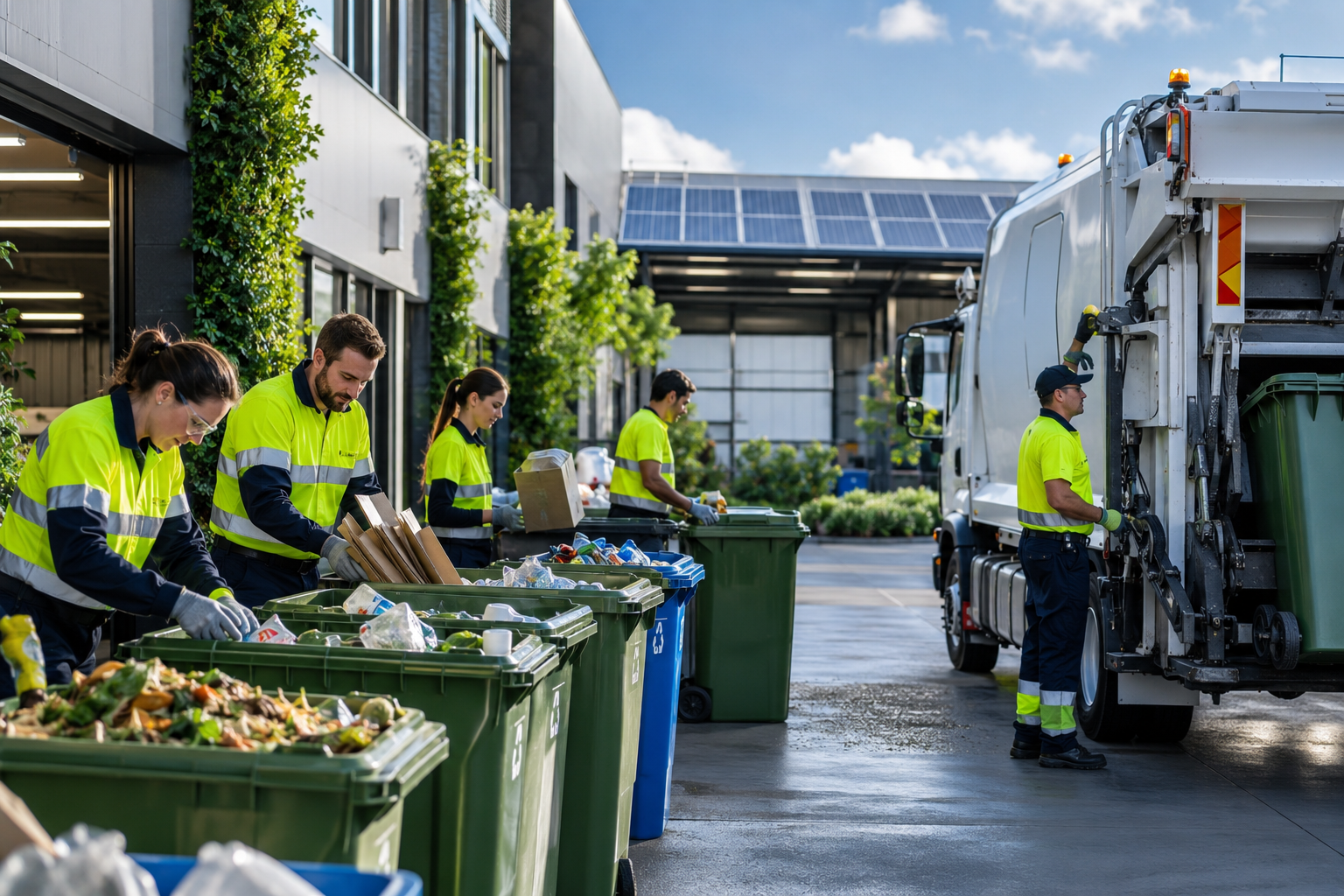
Key Benefits of Sustainable Waste Management
Lower Waste Disposal Costs
Landfill disposal remains one of the most expensive waste management options. By diverting recyclable and recoverable materials from general waste streams, businesses can significantly reduce disposal volumes and associated costs.
Implementing targeted recycling programs often leads to immediate savings while improving overall waste performance.
Increased Recycling Performance
Effective commercial recycling systems improve the recovery of valuable materials such as cardboard, paper, plastics, and metals.
Higher recycling rates not only reduce landfill dependency but also help businesses contribute to broader environmental sustainability goals.
Improved Operational Efficiency
A well-organised waste management system streamlines waste handling across facilities.
Clear waste segregation processes, optimised waste collection schedules, and regular waste audits can reduce inefficiencies and improve workplace productivity.
Better Environmental Outcomes
Sustainable waste practices reduce greenhouse gas emissions, conserve natural resources, and minimise pollution.
Businesses that prioritise resource recovery actively support environmental responsibility while reducing their environmental footprint.
Reduced Landfill Dependency
Landfill space is limited, and disposal costs continue to rise. Sustainable waste management helps organisations reduce reliance on landfill by identifying opportunities for reuse, recycling, and recovery.
How Commercial Recycling Supports Business Sustainability
Commercial recycling is one of the most effective ways to improve business sustainability.
By separating recyclable materials from general waste, businesses can increase resource recovery while reducing disposal costs. Materials such as cardboard, paper, plastics, and metals can be reprocessed into new products, extending their lifecycle and reducing demand for virgin resources.
Commercial recycling also supports circular economy objectives by keeping valuable materials in use rather than sending them to landfill.
Many businesses partner with providers such asWilletts Waste to implement tailored recycling programs that maximise recovery rates and improve sustainability outcomes.
Practical Eco-Friendly Waste Solutions Businesses Can Implement
Conduct Regular Waste Audits
A waste audit provides insight into waste generation patterns and identifies opportunities for waste reduction and improved recycling.
Introduce Waste Segregation Systems
Clearly labelled bins and collection points help employees separate waste correctly, reducing contamination and improving recycling outcomes.
Expand Cardboard and Paper Recycling
Cardboard and paper are among the most recyclable commercial waste streams and can significantly contribute to landfill diversion efforts.
Implement Organic Waste Recycling
Food waste and organic materials can often be diverted to composting or recovery programs instead of landfill.
Educate Employees
Employee engagement is essential for successful sustainability initiatives. Training staff on correct waste disposal practices can greatly improve program effectiveness.
Optimise Collection Schedules
Reviewing waste collection frequencies can reduce unnecessary pickups, lower costs, and improve operational efficiency.
Businesses working with providers such as Willetts Waste often gain access to customised waste solutions that support both operational and sustainability goals.
Building a Stronger Brand Through Environmental Responsibility
Consumers increasingly prefer businesses that demonstrate a commitment to sustainability.
Investing in environmental responsibility can strengthen brand reputation, build customer trust, and differentiate a business from competitors. Sustainability achievements can also enhance stakeholder relationships and improve employee engagement.
When businesses actively reduce waste, increase recycling, and support resource recovery, they create a positive brand image that resonates with environmentally conscious customers and partners.
Over time, these efforts contribute to stronger market positioning and long-term competitive advantage.
Conclusion
Investing in sustainable waste management delivers far more than environmental benefits. It helps businesses reduce costs, improve operational efficiency, increase recycling performance, support compliance requirements, and strengthen corporate reputation.
As sustainability expectations continue to grow, organisations that embrace eco-friendly waste solutions and commercial recycling will be better positioned for long-term success. By prioritising waste reduction, resource recovery, and environmental responsibility, businesses can improve both profitability and business sustainability while contributing to a more sustainable future.
Ready to improve your waste performance? Invest in sustainable waste management today to reduce costs, enhance environmental outcomes, increase recycling rates, and build a stronger, more sustainable business for the future.
FAQs
-
Businesses can implement sustainable waste management by conducting waste audits, introducing waste segregation systems, increasing commercial recycling, recycling organic waste, educating employees, and optimising waste collection schedules. These strategies help reduce landfill waste, improve resource recovery, and support long-term sustainability goals.
-
It helps businesses reduce disposal costs, improve compliance, enhance operational efficiency, increase recycling rates, and strengthen environmental performance while meeting stakeholder expectations.
-
Commercial recycling reduces the volume of waste sent to landfill, lowering disposal fees and landfill levies. It can also improve resource recovery and create operational efficiencies.
-
Effective solutions include waste audits, waste segregation systems, cardboard and paper recycling, organic waste recycling, employee training programs, and collection schedule optimisation.
-
It supports waste reduction, conserves resources, improves environmental performance, strengthens brand reputation, and helps businesses achieve long-term sustainability objectives.
